Besides releasing the loading gate (or not) half cock perform one important feature, dropping the hammer from full to half does not rotate the cylinder. So revolver can again be brought back to full cock on same cylinder
Lowering hammer all the way and recocking advances the cylinder.
Wierd! I would have thought WV more gun-friendly. I get my transfer fee for $20-40 if importing from on-line or another seller. I do have a SD instructor that I support who gives free transfers but he’s an hour away, one way, and not always available.
Clarification on your point full cock to half cock. on the 3-screw guns, when you go from loading cock to full cock, the Cylinder rotates to next chamber. ?Why not then when full-to-half_to-full. That’s what most SAA’s do.
Yes—on a conventional Colt-style SAA, lowering from full cock to half cock and then recocking advances the cylinder. The hand is positioned to engage the ratchet during that upward stroke. The three-screw Ruger’s half-cock notch is arranged differently.
From full cock, lowering to half cock does not fully reset the hand and bolt as lowering the hammer all the way does; recocking therefore returns the hammer to full without advancing the cylinder. The loading-cock position is the one that frees the cylinder for loading, while the half-cock notch mainly provides that intermediate hammer position.
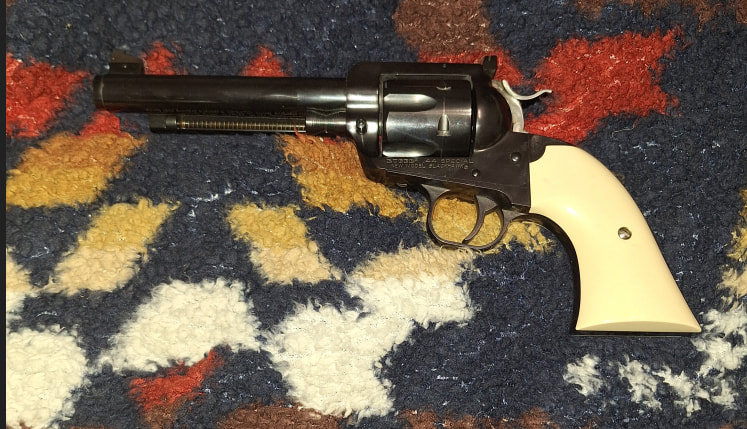
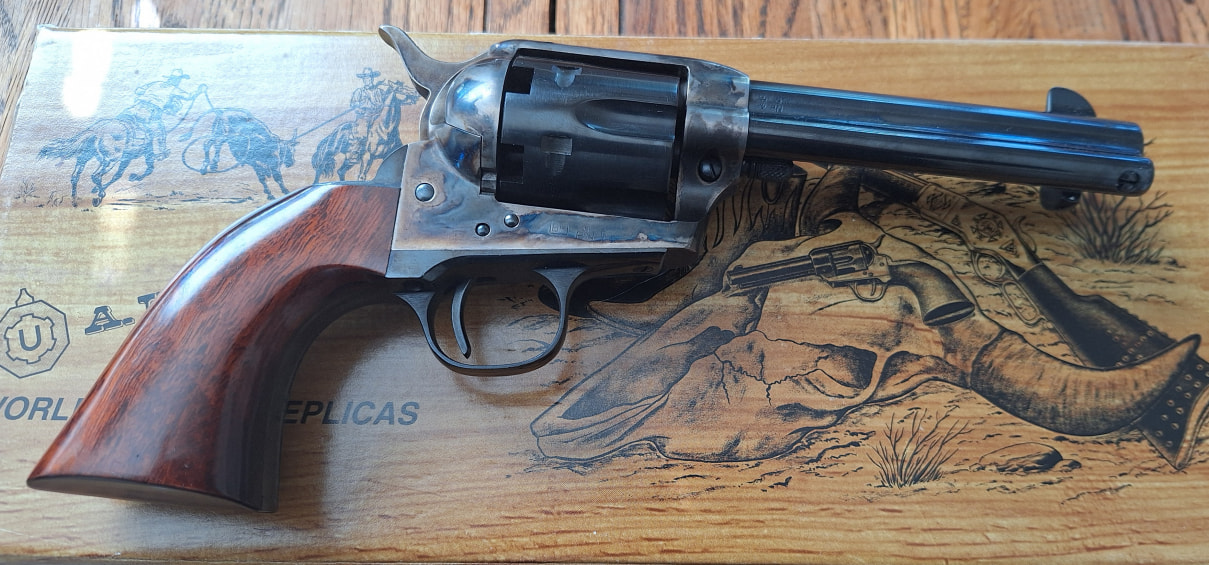
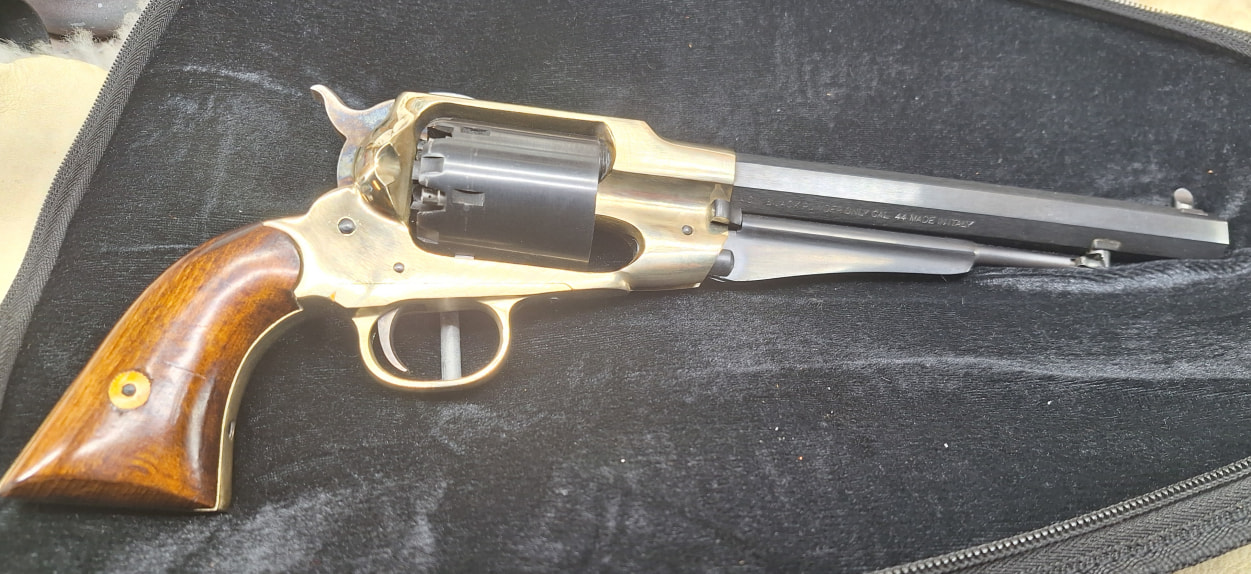
Not correct with a Ruger 3 screw, Uberti Colt clone, or a Remington 1858 C&B clone. (I don’t have a real Colt SAA in the safe. I decided early in life to collect Rugers over Colts, as I could only afford Rugers the choice was easy.)
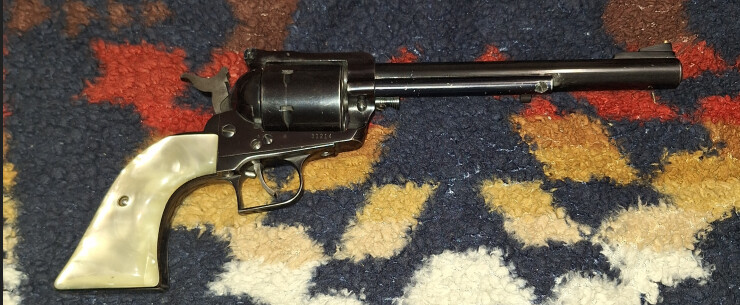
Even though the internet says old model Rugers and Colts advance the cylinder from half to full, that only applies when starting with hammer down. When lowered from full back to half, the cylinder remains locked, and pulling the hammer back to full again does not advance the cylinder, at least in my stable. Same with Freedom Arms Model 83 and all the other old model shooters.
Think about it, you draw the revolver and pull the hammer back. Fire at the jackrabbit. See another jackrabbit. Pull the hammer back but the jackrabbit disappears. If you lower the hammer all the way, and then pull it back again when the jackrabbit re-appears, you have just skipped a live round. If you lower the hammer halfway, “Half cocked”, see the offending varmint again and pull the hammer back all the way, you don’t advance past the live round. If you did the first scenario several times you would end up with every other round live, and every other one fired.
After digging through a couple safes and the shop:
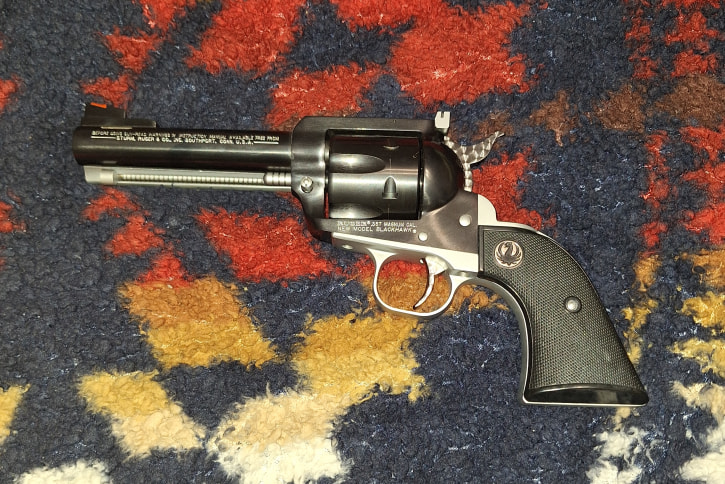
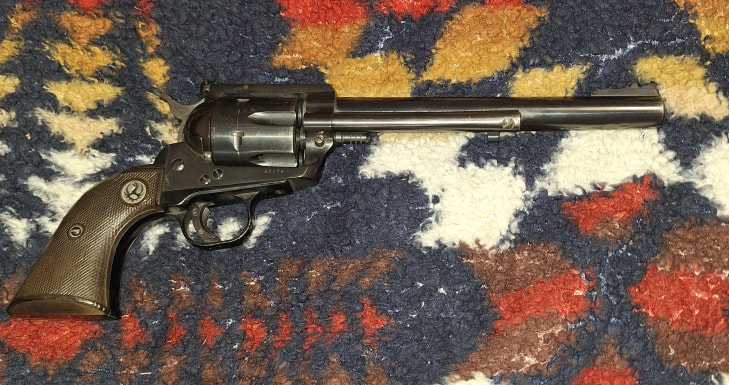
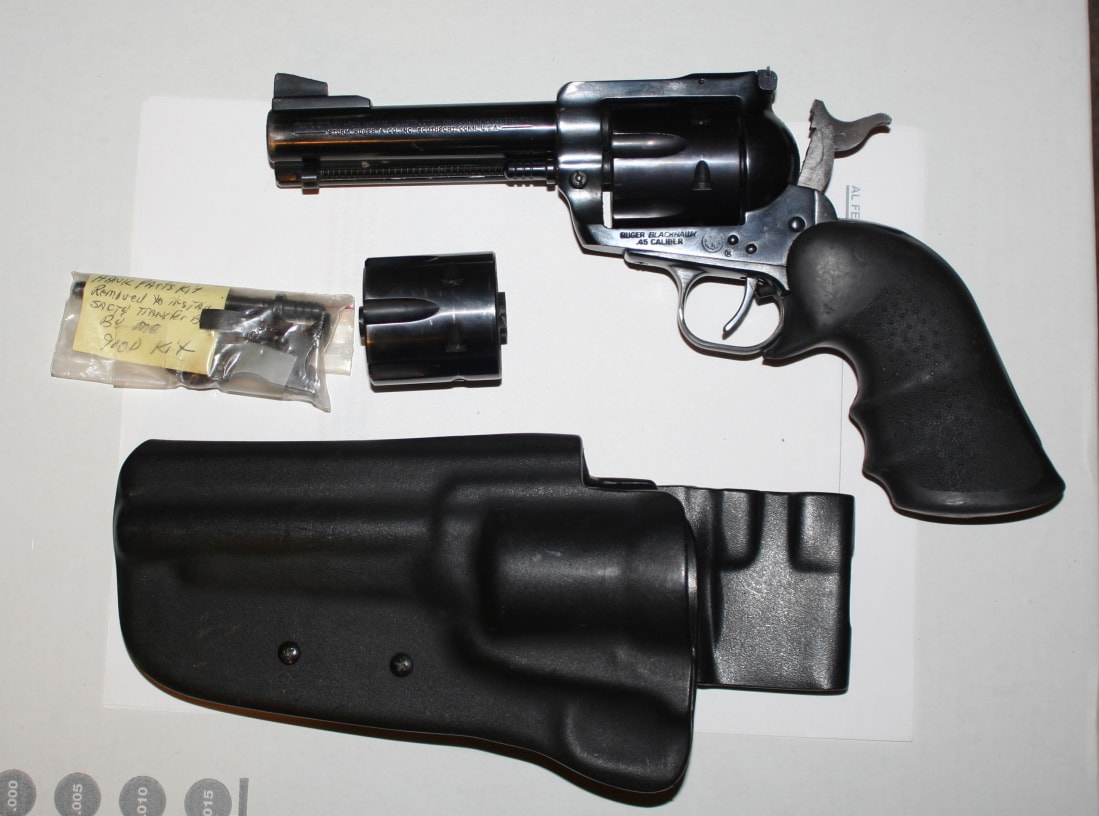
Un Altered Blackhawk, SBH: 3 clicks, safety click, half cock, full cock. The safety cock raises the hammer off the firing pin maybe 1/8" for those who want to load 6. Not arguing the merits of 5 vs 6, just pointing out the action.
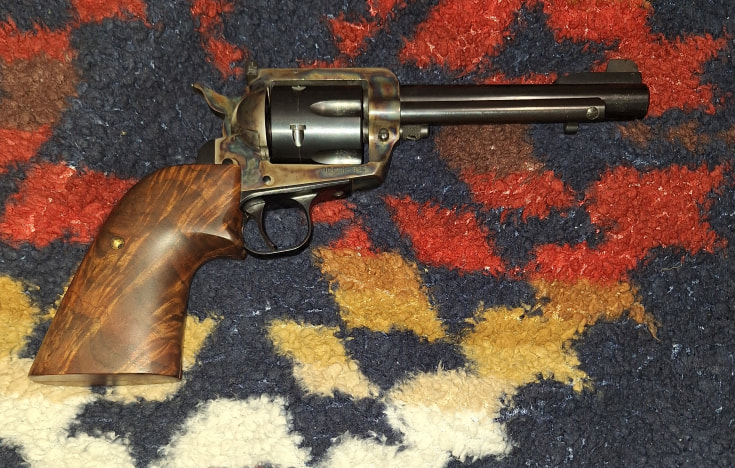
Colt 1873 Uberti clone: Identical to above except no safety notch. Full cock-half cock-back to full cock no rotation.
Remington 1858 Cap n Ball clone: Identical to above except no safety notch. Full cock-half cock-back to full cock no rotation.
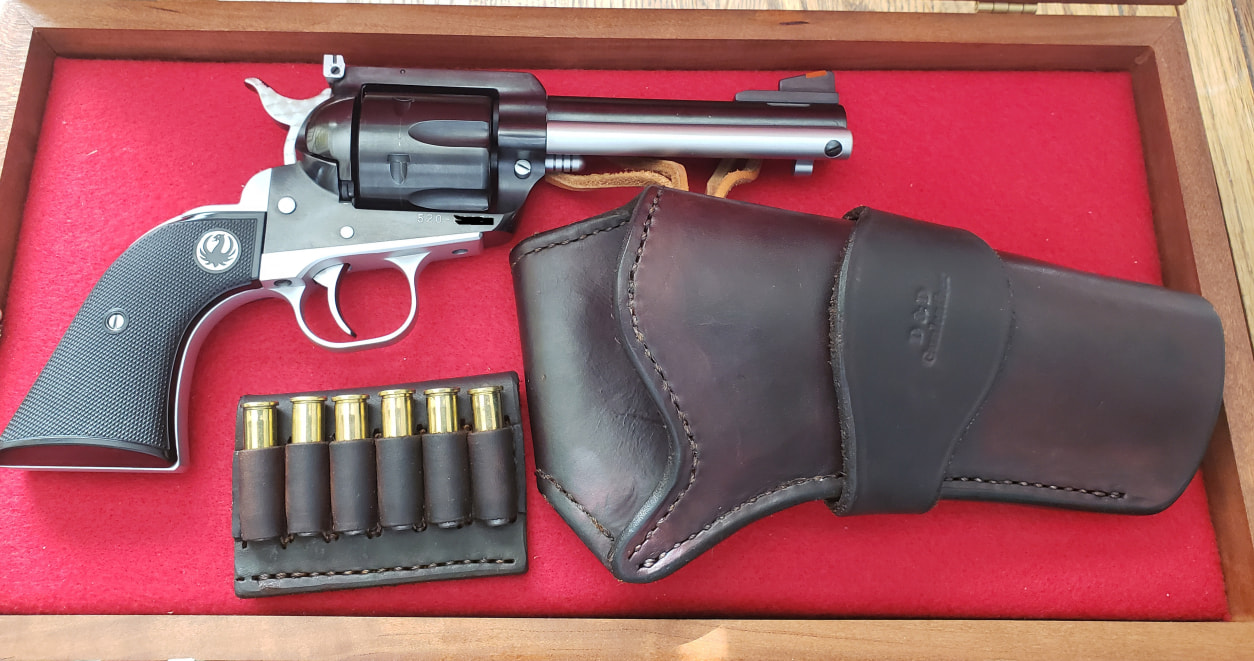
Freedom Arms model 83, Transfer Bar, and 3 clicks safety click, Full cock-half cock-back to full cock no rotation.
Flat top blackhawk: Micro adjust rear sight, similar to pinch frame. Safety Click. Full cock-half cock-back to full cock no rotation.
Altered 3 screw: No safety notch click, but half cock to load and full cock to fire. Full cock-half cock-back to full cock no rotation.
All 3 screw models: The cylinder spins freely ONLY when pulling the hammer from the fired position to half cock. Once pulling the hammer past half to full, the cylinder is locked and returning to half it remains locked.
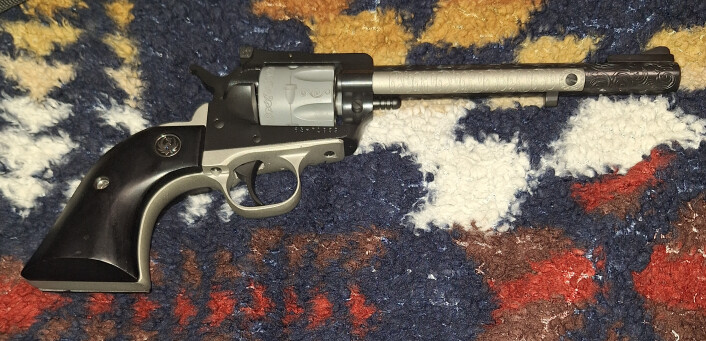
New Model 2 pin: My earlier statement was incorrect, no half cock notch. In the jackrabbit scenario above you would end up with random placement of live and fired rounds in the cylinder. If you are target practicing, it could be a fun way for your friends to see how much you flinch when dropping the hammer on a previously fired round, but in the field I would rate it as a big disadvantage. I’m with @Devereaux on that one.
I had that backwards and overgeneralized from the Colt-style description. On the Ruger three-screw guns—and apparently the Uberti, Remington clone, and Freedom Arms examples you checked—the cylinder advances when the hammer is brought from the fired/down position through half cock to full cock, but not when lowered from full cock to half cock and then recocked.
So the half-cock position lets you return the hammer to full cock on the same chamber. The loading-cock position is what releases the cylinder for loading and allows the hand to make that next rotation. Your jackrabbit example makes the distinction plain.
If you just looked at the internet it says exactly that in several places, including the colt forum, the cylinder doesn’t rotate until past half cock. Which is how it should be for loading. But, never mentions full-half - full. Also, some of my tests it took a little practice to catch the half cock on the way back down in a hurry. On the Remmys if you didn’t know it was there you would miss it.
That explains the confusion. The usual descriptions are focused on the loading sequence—past half cock before the cylinder begins to rotate—and leave out what happens when you lower from full cock and recock. The Remington-style action also sounds less forgiving in practice.
If the half-cock notch is easy to skip when lowering quickly, the gun’s actual handling tells you more than the generic “four clicks” description does. That was a useful distinction I missed when I started from the Colt-style explanation.
The phrase means acting, speaking, or reacting prematurely and impulsively without proper preparation. [1, 2]
Origin: It originates from 18th-century flintlock firearms. If a gun was fired or slipped before the hammer reached the full-cock position, it would either fail to fire or discharge improperly. [1, 2]
The phrase fits the old flintlock use closely: half-cock was a safety position, and the lock was not supposed to fire from there. “Going off half-cocked” later broadened into acting before being fully prepared. The same words can be misleading with Ruger single actions, though.
Their half-cock notch is part of the loading and hammer-control system, not evidence that the gun is in the same mechanical condition as an 18th-century flintlock.
Something else that is open for interpretation and I may have mis-stated, the first click/ safety click may have been designed by Ruger to remove pressure from the firing pin as to not drag it over the primers, which in the case of unaltered Ruger, could be a thing. The F/A though, has the transfer bar in addition to the safety click so who knows exactly.
That sounds plausible as part of the reason, especially on the older Rugers where the hammer-mounted firing pin could contact the primer if the hammer were fully down. The half-cock notch lifts the pin clear and gives the cylinder room to turn for loading, so avoiding primer drag may be a consequence—or one of the design considerations—but I’d hesitate to call it the sole intended purpose without Ruger documentation.
On the Freedom Arms, the transfer bar handles the drop-safety problem, while the first click can still serve the same basic hammer-and-cylinder control functions. The two systems overlap, but they are doing different jobs: the notch controls hammer position and the transfer bar controls whether a hammer blow reaches the firing pin.
Fair point. You trust the specimens in front of you; I tend to leave myself an escape hatch until the mechanism or documentation closes it. In this case, your “never hesitate” method may be the more useful one—especially when Ruger’s terminology and the actual lockwork don’t always line up.