Ruger could effectively resist Beretta, and for nearly a year it did. But the distinction is between preventing a takeover and preventing a competitor from becoming a powerful shareholder.
After examining Ruger’s SEC filings, I think the May 2026 agreement looks less like an outright surrender and more like a negotiated compromise under substantial pressure.
There is also a legitimate question about whether Ruger traded away some of its long-term independence to secure three years of protection.
1. Ruger had a genuine defensive weapon
On October 14, 2025, Ruger adopted a shareholder rights plan, commonly called a poison pill.
It worked like this:
- Beretta could own less than 10% of Ruger’s shares without triggering the plan.
- If Beretta crossed the 10% threshold without authorization, other shareholders could acquire discounted shares, diluting Beretta’s ownership.
- Beretta could still challenge Ruger’s directors through shareholder voting, but could not easily accumulate controlling shares.
This was a meaningful defense, not merely a public-relations maneuver. It could make an unauthorized acquisition prohibitively expensive.
The plan originally ran through October 13, 2026. Ruger ultimately terminated it early, on September 16, as part of its negotiated agreement with Beretta.
That tells us something important: Beretta needed Ruger to remove a significant obstacle before its investment could reach 25%.
2. Beretta’s strongest weapon was shareholder pressure
Beretta owned nearly 10% of Ruger and nominated four candidates for its nine-member board.
The poison pill could prevent Beretta from buying substantially more shares, but it could not prevent a proxy contest. Beretta could campaign to persuade other shareholders to replace Ruger’s directors.
That threat was credible because Ruger had financial vulnerabilities. Beretta accused Ruger’s existing leadership of poor returns, declining profitability, and protecting long-serving directors rather than shareholders. These were Beretta’s allegations, not established findings.
Under Delaware law, a board can maintain a poison pill against a hostile acquisition when its defensive actions satisfy fiduciary-duty requirements. But directors can ultimately be replaced through shareholder elections.
Ruger could stop Beretta from buying control. It could not guarantee shareholders would keep supporting Ruger’s existing leadership.
3. The negotiations reveal how much Ruger conceded
The SEC record gives us a particularly revealing comparison.
| Ruger’s April 2 proposal | Final May 2 agreement | |
|---|---|---|
| Beretta ownership | Up to 20% | Up to 25% |
| Board representation | Two mutually agreed directors | Up to two independent nominees |
| Proxy contest | Settlement sought | Beretta withdrew nominations |
| Hostile activity | Standstill sought | Approximately three-year standstill |
| Long-term limits | Voting protections sought | Perpetual ownership and voting restrictions |
Ruger initially warned that even 20% ownership approached the level where Beretta could exercise effective blocking influence. Nevertheless, Ruger ultimately accepted 25%, provided Beretta accepted significant governance restrictions.
That indicates bargaining under pressure, but not necessarily capitulation.
4. Ruger secured protections that survive the agreement’s three-year standstill
These details matter considerably:
- 25% permanent ownership cap: Beretta generally cannot exceed 25% without Ruger’s board permitting it.
- Voting limitations: During the standstill, Beretta generally must support the board. Afterward, votes attached to shares above 20% ordinarily must mirror how unaffiliated shareholders vote, with exceptions for certain major corporate transactions.
- Independent directors: Beretta’s nominees must satisfy independence requirements, with FTC safeguards against conflicts and improper information sharing.
- Future acquisition protections: Certain transactions with Beretta require approval from an independent board committee and, for qualifying transactions, a majority of disinterested shareholders.
These contractual restrictions substantially reduce Beretta’s ability to turn its ownership stake directly into control.
5. What happened when shareholders finally got the opportunity to sell?
Shares offered for sale
6.09M
Shares Beretta purchased
2.40M
Only about 39.4% of tendered shares could be accepted.
Beretta’s October 15 tender offer was substantially oversubscribed. By October 20, it had acquired enough shares to reach approximately 25% ownership.
That demonstrates considerable shareholder willingness to sell at $44.80 per share. It does not establish that those shareholders wanted Beretta controlling Ruger; selling shares at a premium and supporting a takeover are different decisions.
6. Could Ruger have refused the agreement entirely?
Yes. Ruger had several defensible options: maintain its poison pill, fight the shareholder election, challenge improper governance demands, and pursue its independent business strategy.
But resistance carried genuine risks. A prolonged proxy fight could prove expensive, shareholders could replace directors, and Beretta could return with another campaign. Ruger’s board specifically cited those risks when explaining its decision to settle.
There is no public shareholder vote establishing that Ruger would have lost the contest had it continued.
Assessment
Ruger was not helpless. It had strong defensive mechanisms and successfully forced Beretta to accept restrictions it originally resisted.
But Beretta obtained something valuable: a quarter of an American firearms manufacturer, an avenue for board influence, and a substantial long-term strategic position.
The larger question is what happens approaching the 2029 shareholder meeting, when the standstill expires. Beretta cannot simply disregard its perpetual ownership and voting restrictions, but it can resume certain forms of shareholder activism.
The distinction is important: Ruger has preserved its legal independence. Whether it has preserved sufficient practical independence from its largest competitor will depend on how those protections work over time.
For the detailed legal terms, this is the most useful original document: [May 2, 2026 Cooperation Agreement — SEC Exhibit 10.1
https://www.sec.gov/Archives/edgar/data/95029/000207709626000113/ea028885501ex10-1.htm
Beretta Holding is a giant in the firearms industry. It is substantially larger than Ruger, privately controlled by the Beretta family, and operates across firearms, ammunition, optics, military contracts, and international distribution.
The Federal Trade Commission described Beretta as the world’s largest firearms manufacturer in its September 2026 analysis of the Ruger transaction.
1. How big is Beretta?
Beretta Holding — 2025 revenue
$1.9B
Approximately 6,000 employees
Ruger — 2025 revenue
$546M
Publicly traded US manufacturer
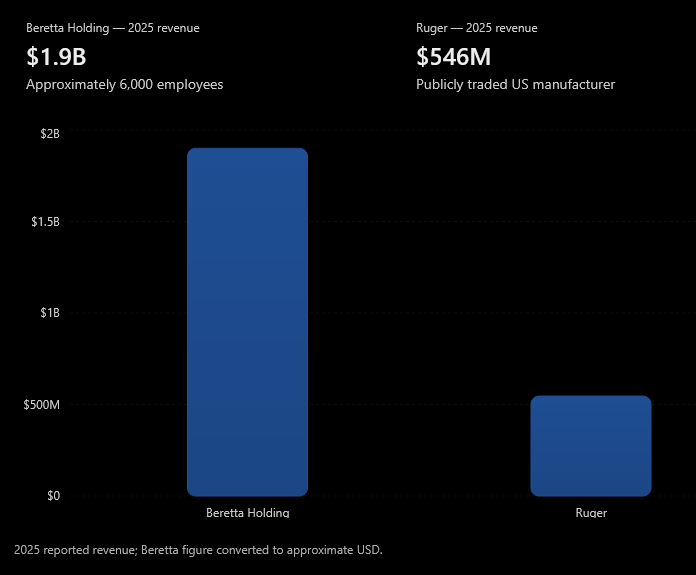
2025 reported revenue; Beretta figure converted to approximate USD.
Beretta’s annual revenue is roughly 3.5 times Ruger’s
Beretta Holding
Beretta also has more than 50 corporate entities and over 20 brands. Unlike Ruger, which depends overwhelmingly on US civilian firearms sales, Beretta is diversified internationally.
2. What does Beretta actually control?
Benelli and Franchi
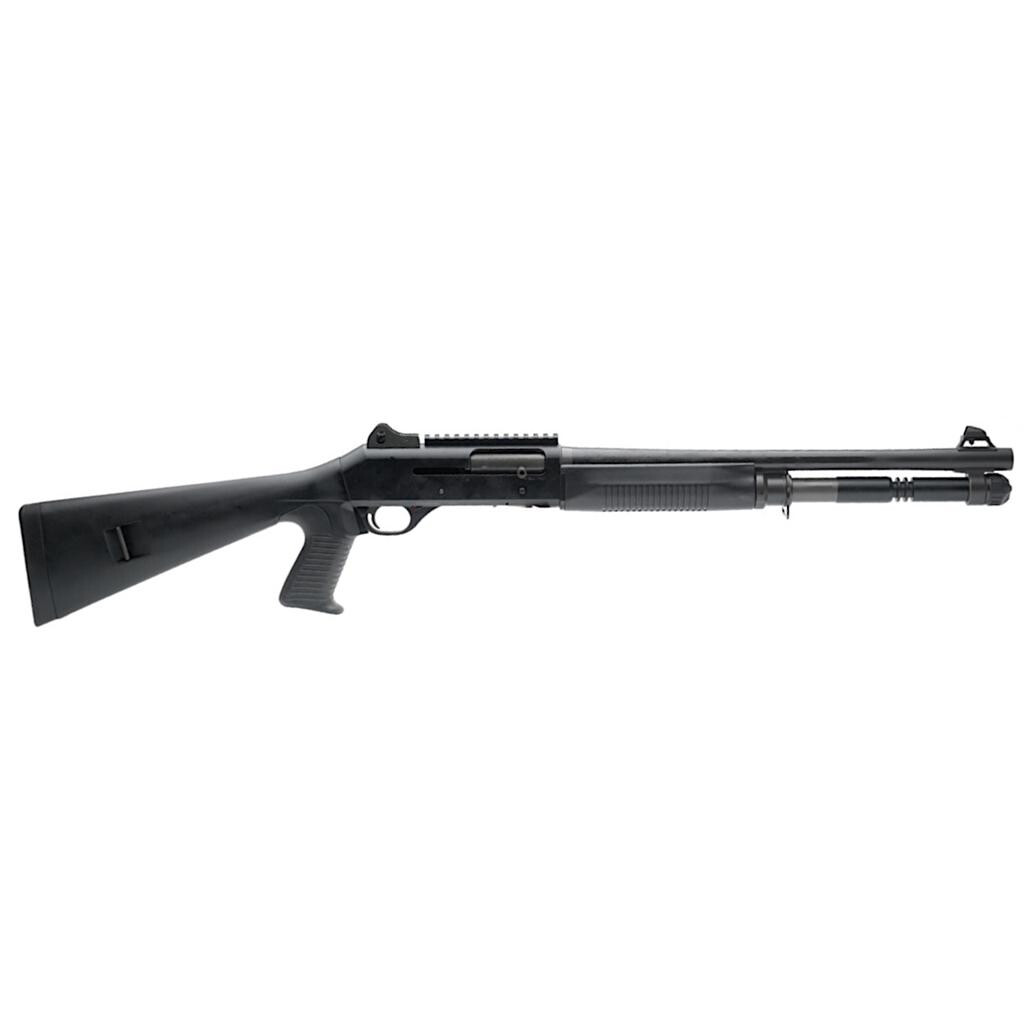
Leading shotgun brands, including tactical, law-enforcement, and hunting markets.
Sako and Tikka
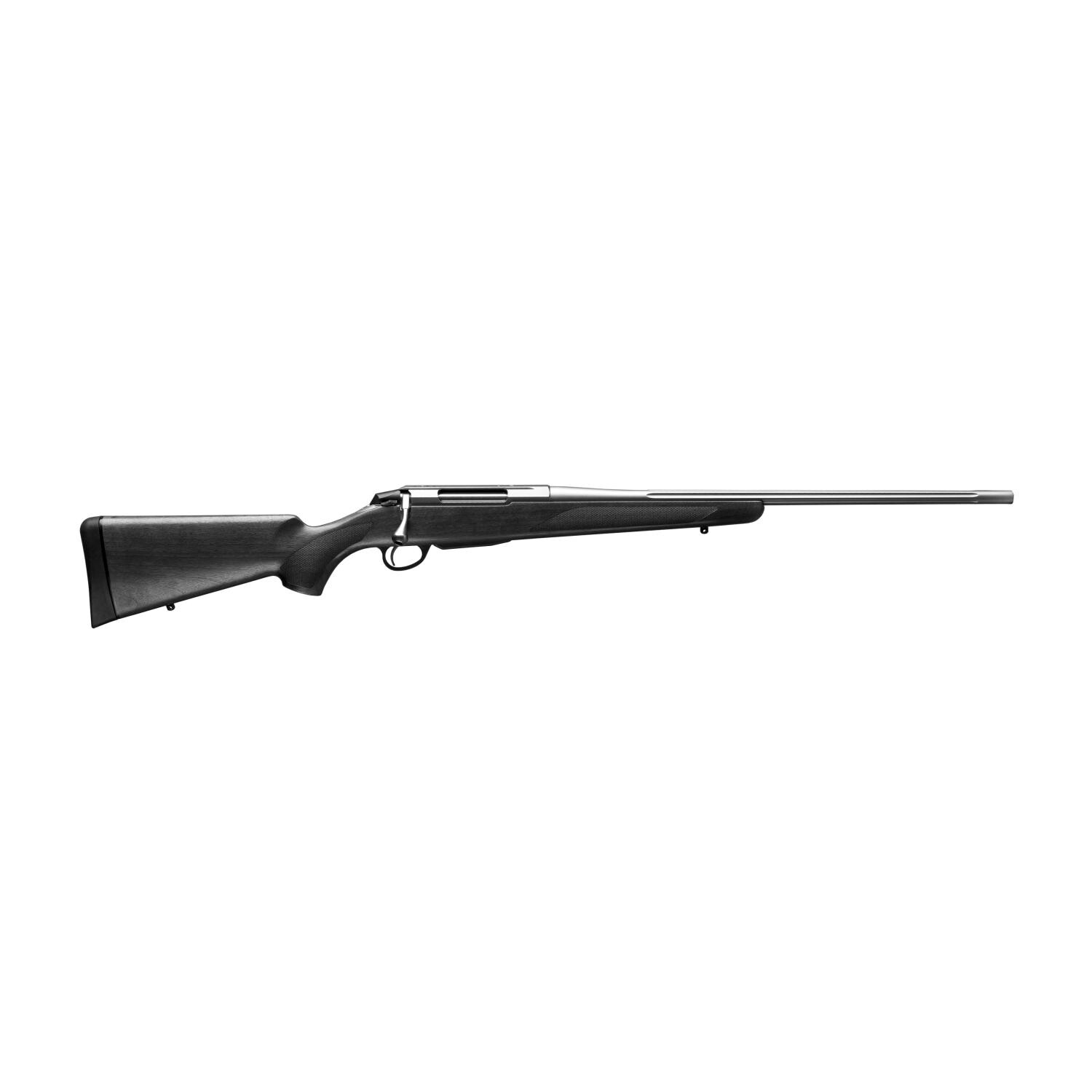
Precision rifles, sporting rifles, and military sniper systems.
Norma, RWS and Geco
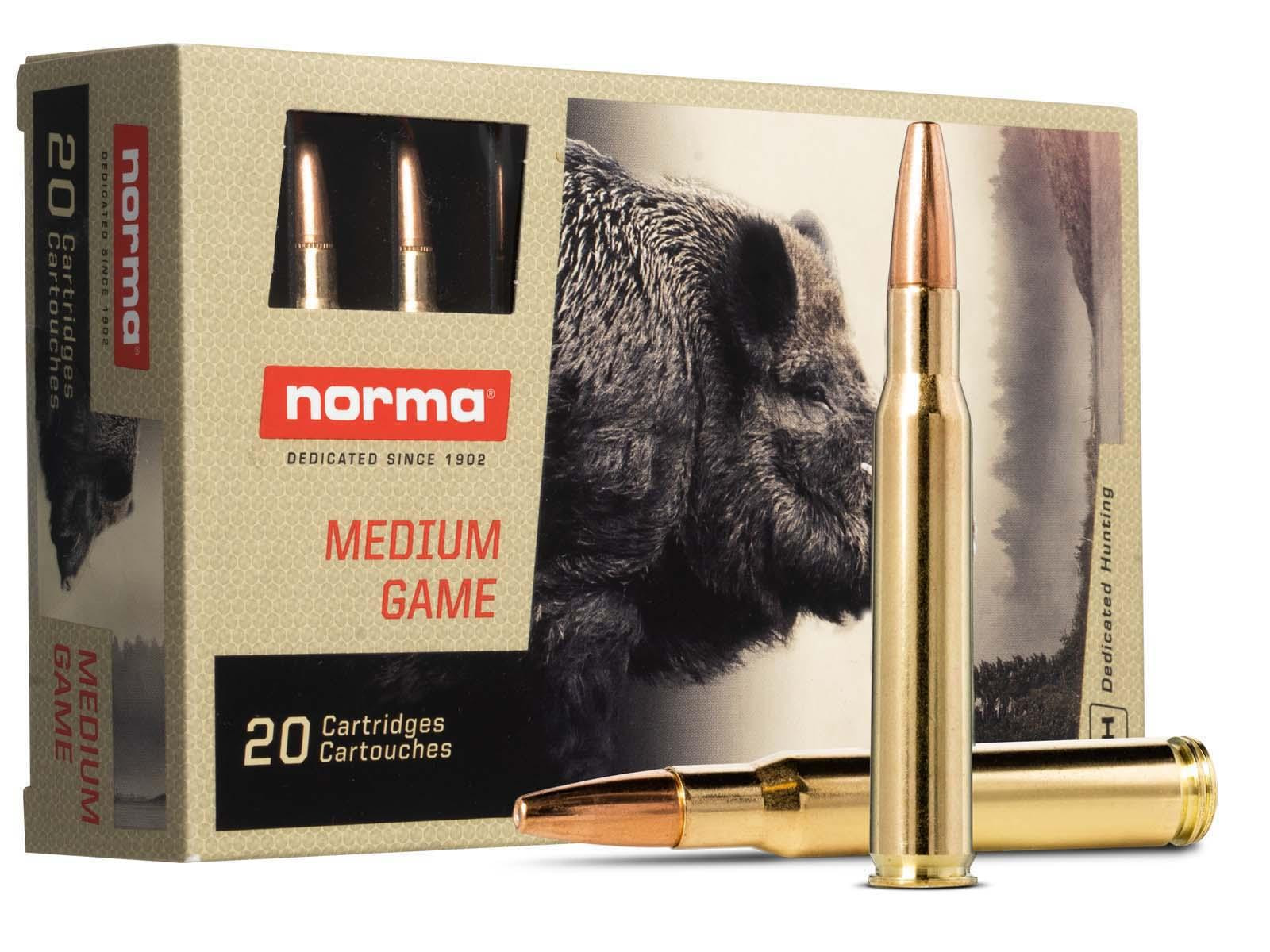
Significant ammunition manufacturing and distribution capabilities, expanded through the 2022 RUAG Ammotec acquisition.
Steiner and Burris
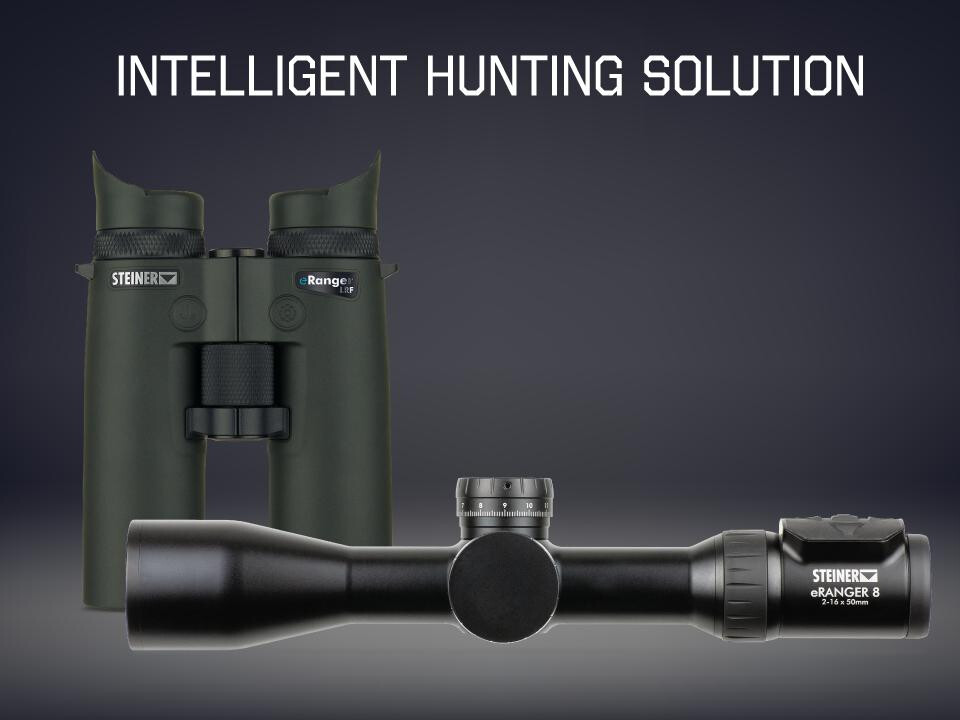
Rifle scopes, military optics, electro-optics, and related equipment.
Other holdings include Stoeger, Uberti, Holland & Holland, SwissP, and additional specialized manufacturers.
Beretta Holding
That gives Beretta influence beyond competing firearm brands. It operates across several portions of the firearms industry’s production and distribution network.
3. Its reach extends into governments and defense
Beretta Defense Technologies combines capabilities from Beretta, Benelli, Sako, Steiner, and other group companies for military and law-enforcement customers.
According to a July 2026 interview with Beretta’s CEO, approximately 40% of the group’s business is now defense-related, compared with about 20% historically. Europe accounted for approximately 55% of its 2025 revenue and North America approximately 32%.
That gives Beretta meaningful commercial relationships with governments and military procurement agencies. Its position is reinforced by products such as the former US military-standard M9 pistol, Benelli M4 tactical shotgun, and Sako precision rifles.
This is considerable influence within defense procurement. It is not evidence that Beretta controls governments, firearms legislation, or organizations such as the NRA…right?
4. Who controls Beretta itself?
Unlike publicly traded Ruger, Beretta Holding is privately held and family-controlled.
- The business traces its roots to 1526.
- Pietro Gussalli Beretta serves as president and CEO.
- Franco Gussalli Beretta serves as vice president and CEO.
- Ugo Gussalli Beretta remains involved in the group’s leadership.
- Its holding-company structure is headquartered in Luxembourg, while substantial manufacturing operations remain in Italy, the United States, and elsewhere.
This matters because Beretta can pursue long-term acquisitions under relatively concentrated family leadership. Ruger’s publicly traded structure exposes its board to shareholders with differing financial priorities.
5. How much influence does Beretta now have over Ruger?
| Area | Beretta’s position |
|---|---|
| Share ownership | Approximately 25% |
| Largest shareholder | Yes |
| Board influence | Right to nominate two independent directors |
| Direct management control | No |
| Ability to dictate products or prices | No |
| Long-term strategic pressure | Significant |
| Ability to acquire majority ownership unilaterally | Restricted by agreement |
The FTC recognized the danger that competitors sharing directors might exchange confidential business information or influence one another’s competitive strategies. Its September 2026 proposed order therefore requires independent directors and safeguards against information sharing.
The influence is real, but it is not unlimited.
6. The significant part …
Beretta’s CEO has described the Ruger investment as part of a long-term expansion strategy in the United States. He specifically identified international growth opportunities for Ruger.
There are two plausible outcomes.
One is that Beretta’s distribution networks, resources, and international relationships help Ruger expand while retaining its independent identity.
The other is that Ruger gradually becomes strategically dependent on decisions influenced by its largest competitor, even without a formal merger. That is a risk, not an established outcome.
Beretta is large enough, financially strong enough, and sufficiently diversified to exert considerable pressure on Ruger over time. Its quarter-share ownership provides more influence than the percentage alone might suggest because its stake is concentrated.
But perhaps the most important question is not whether Beretta can take Ruger over tomorrow. It is whether Ruger can continue making major strategic decisions contrary to Beretta’s wishes without eventually facing another shareholder confrontation.
That is where the difference between legal control and practical influence becomes important.
How much of the American firearms industry can come under the influence of a single privately controlled international company before competition and independence begin to suffer?
We’ve recently found the old independent social media sites is also being singularly acquired
The scale is striking. In June 2026, VerticalScope reported 86 million monthly active users, more than 71 million registered members, and over 2.1 billion posts across its broader network. All of that runs on its unified Fora platform.
That transcript is considerably more revealing than the headline numbers. VerticalScope openly describes a business model built on acquiring independent communities, consolidating their content and audiences, and turning those assets into advertising, commerce, and AI revenue.
And that goes directly to the concern about a handful of corporations controlling the places where gun owners exchange information.
This is actually a transcript of VerticalScope’s June 3, 2026 annual shareholder meeting, not a conventional quarterly earnings call.
1. The numbers establish the scale
230+
Acquisitions completed
1,200+
Brands and communities
71M+
Registered members
2.1B+
Community posts
Figures reported by CEO Christopher Goodridge on June 3, 2026. These cover the entire VerticalScope portfolio, not just gun forums.
Goodridge explained that the company has an established method for identifying communities, acquiring them, transferring them to its Fora platform, and extracting commercial value.
That’s important. These aren’t isolated purchases. Acquiring and consolidating communities is an established part of the business strategy.
2. The most revealing admission concerns members’ own content
Goodridge stated:
“That 2.1 billion posts of community content is now powering our AI layer”
Consider what that means.
Members spent years contributing knowledge, experiences, conversations, product evaluations, and technical information. VerticalScope now treats that accumulated material as a major resource for developing AI-powered services.
The company identifies four particularly important assets: its platform, content, communities, and data.
The commercial value isn’t merely owning the websites. It’s owning a platform with access to the conversations and accumulated knowledge of millions of enthusiasts.
The transcript does not establish that every post is used to train an AI model, nor does it establish how member consent is handled. Those questions require further examination.
3. They’re developing AI to commercialize user behavior
VerticalScope describes three initiatives:
- ForaFrank: An AI assistant intended to improve participation and content discovery.
- AudienceEngine: AI that identifies commercially valuable users and matches them with advertising or other monetization opportunities.
- AI-powered commerce: Technology connecting discussions and shopping intentions to affiliate programs and merchants.
Management reported that its latest AI commerce feature had already achieved more than $500,000 in annualized revenue within weeks of launching.
This brings us to something especially relevant for gun owners.
A member discussing the best carry pistol, reloading equipment, or rifle scope may be participating in an ordinary conversation. To VerticalScope, that conversation can also represent commercially valuable buying intent.
That does not establish manipulation of the discussion. But it makes clear why authentic independent conversations have substantial financial value.
4. The company describes a self-reinforcing acquisition strategy
The CEO’s closing explanation is perhaps the clearest statement of the business model:
VerticalScope’s business cycle, as described by management
Acquire communities and audiences
Gather content, engagement and user data
Improve AI services, targeting and commerce
Generate advertising and commerce revenue
Fund further acquisitions
The cycle repeats
Paraphrased from Christopher Goodridge’s explanation of the company’s four strategic priorities.
This is especially interesting because VerticalScope reported a 16% revenue decline in 2025, with digital advertising revenue falling 22%. Management attributed much of the weakness to changes in search traffic associated with AI. Its response is to invest more deeply in AI, direct advertising and commerce.
In other words, AI is both disrupting VerticalScope’s traditional traffic sources and becoming part of its strategy to make its existing communities more profitable.
5. Who ultimately controls these decisions?
The shareholder meeting reveals another relevant detail: VerticalScope has two classes of voting shares. One class carries ten votes per share, while the other carries one.
That allows holders of the higher-voting class disproportionate influence relative to their economic ownership. The transcript alone does not establish precisely who holds effective voting control.
The company also reported approximately $76 million in available liquidity at the meeting, including borrowing capacity rather than simply cash in the bank. That matters because management explicitly identified further acquisitions as a use for that financial capacity.
6. What this means for the Beretta comparison
There is an important difference: Beretta currently owns 25% of Ruger under negotiated restrictions. VerticalScope already owns acquired forums outright.
Beretta’s potential influence concerns the production and distribution of firearms. VerticalScope’s influence concerns the infrastructure where gun owners discuss those products, form opinions and preserve knowledge.
VerticalScope’s executives have confirmed that consolidating communities, controlling a unified platform, and commercially exploiting its accumulated content are central business objectives.

One particularly telling development appeared after this meeting. In its August 13, 2026 financial release, VerticalScope identified AI-related content licensing and the protection of its intellectual property against unauthorized use by AI companies as business considerations.
That raises a worthwhile question about the rights of forum contributors versus the rights asserted by the corporation operating their forum.
Conclusion
The document tells us that VerticalScope is not merely purchasing websites for their advertising revenue. It is assembling a large repository of human conversations and building technology and commercial relationships around that resource.
For independent communities such as Sixguns, the distinction is significant. Members might see a collection of separate forums, each with its own history and character, while the corporation sees one unified network of content, audience data, advertising opportunities and intellectual property.
The underlying concern isn’t that one corporation necessarily speaks for gun owners. It’s that one corporation can increasingly control the infrastructure through which many gun owners speak.
And the June 3 transcript is a strong primary-source statement of how VerticalScope intends to profit from precisely that arrangement.
Consider something as simple as the “You must be 18 or older to enter” restriction now found on many firearms websites.
This isn’t some blanket federal law prohibiting minors from reading about firearms. In many cases, it’s a policy adopted by the website itself, presumably to protect children.
But consider the precedent. If access to firearms information can be restricted so easily by private policy, what happens when hundreds of supposedly independent firearms communities fall under just one or two corporate owners?
Today it’s an age restriction. Tomorrow it could be restrictions on certain discussions, opinions, or even who is permitted to participate.
The danger isn’t necessarily what these corporations are doing today. It’s the enormous power we’re allowing a handful of owners to accumulate over communities that were once independent.
At what point do thousands of gun owners speaking freely become thousands of gun owners speaking only with corporate permission or firearms manufactured according to dictated specs that you’ll really not be enjoying?
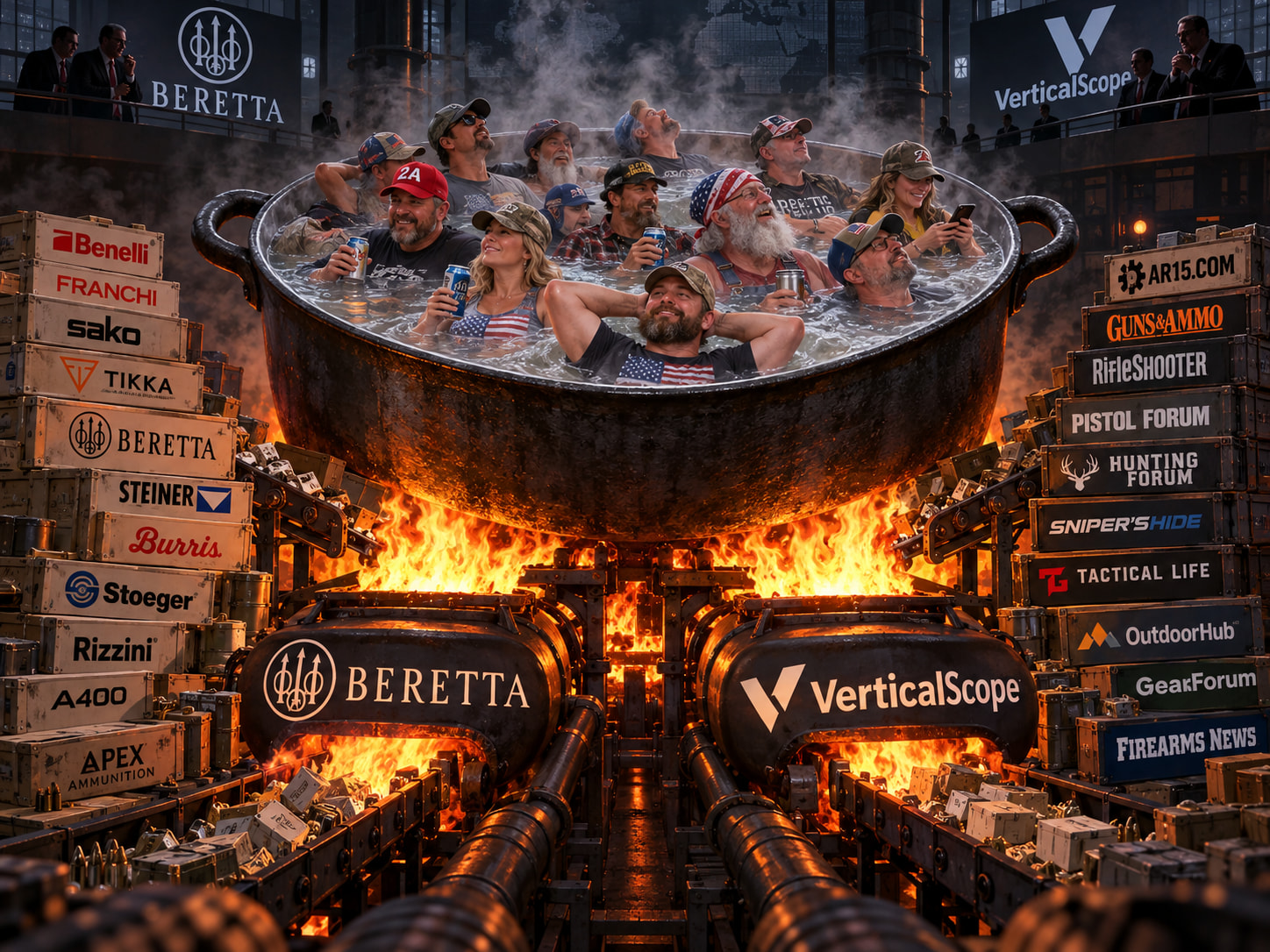
What just disappeared today…does it echo what might disappear tomorrow?
 bingo