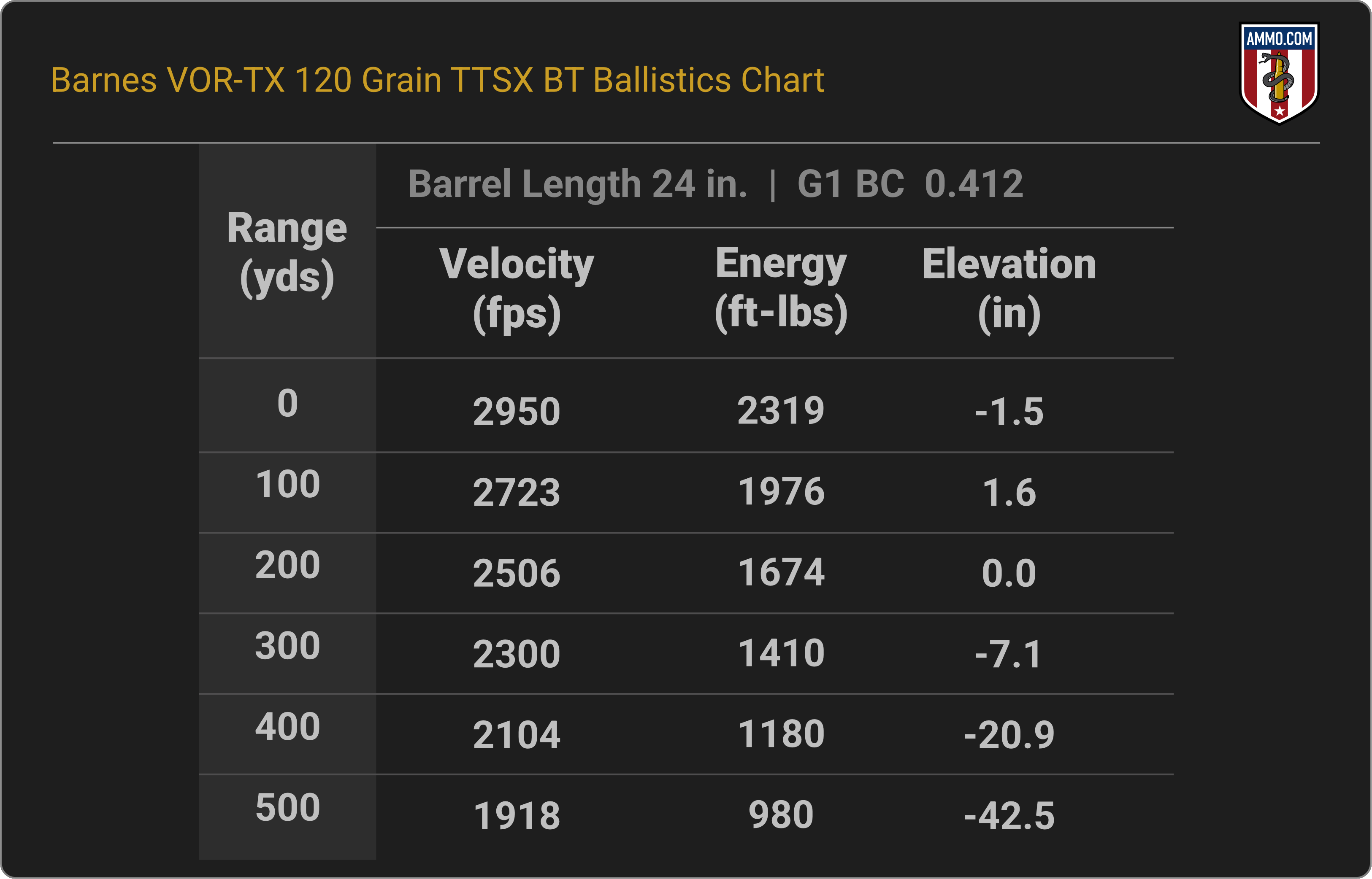
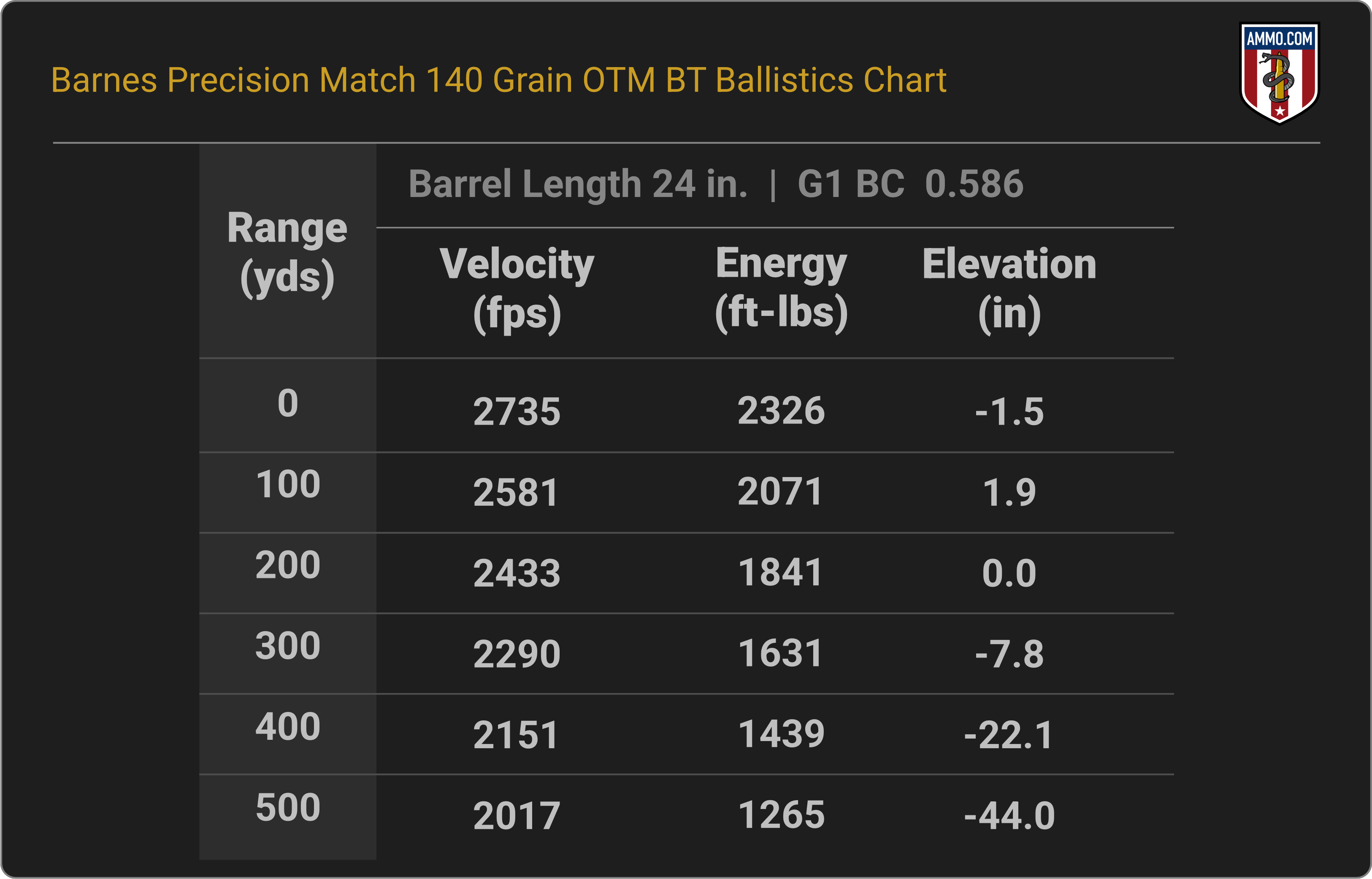
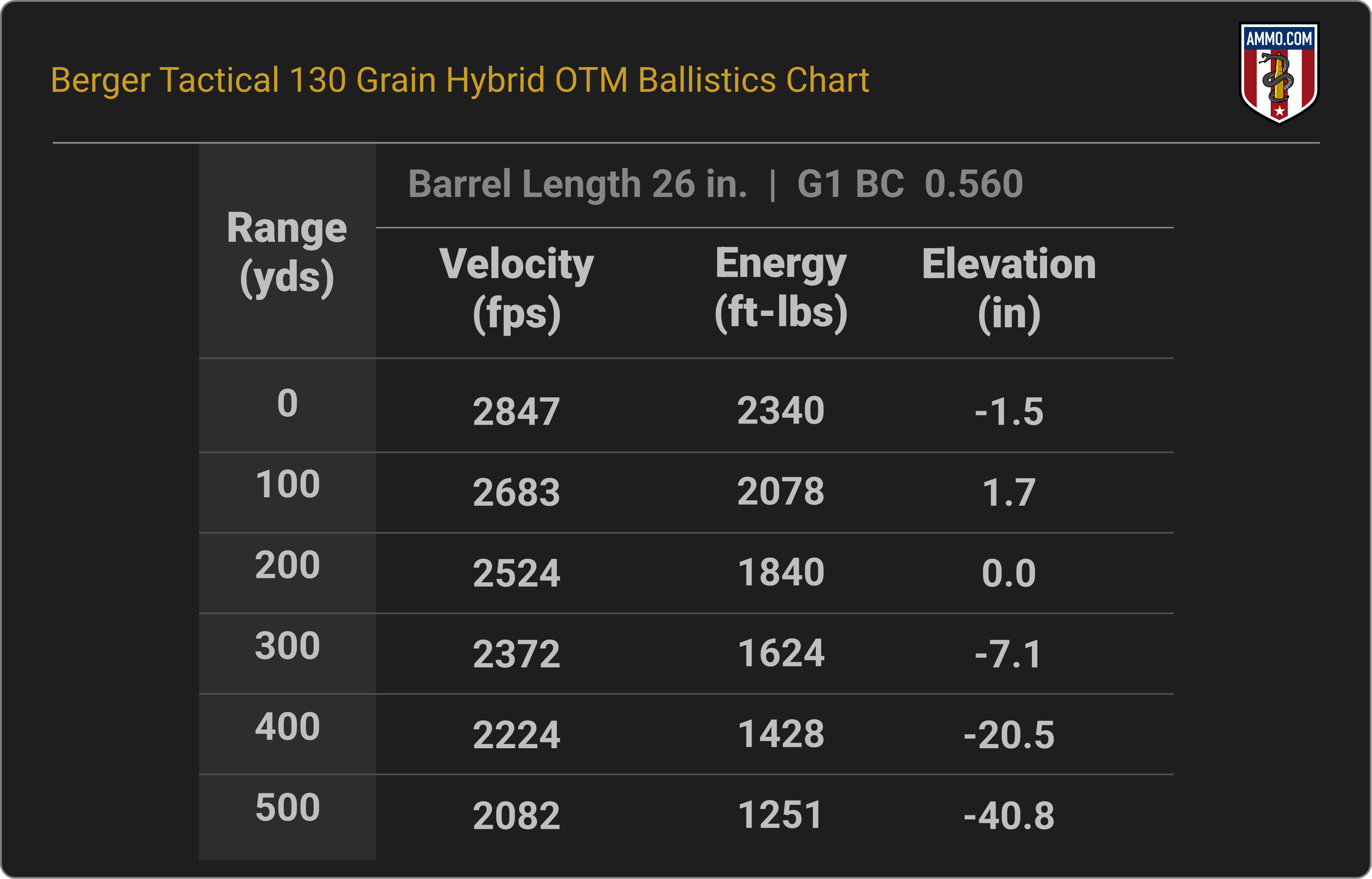
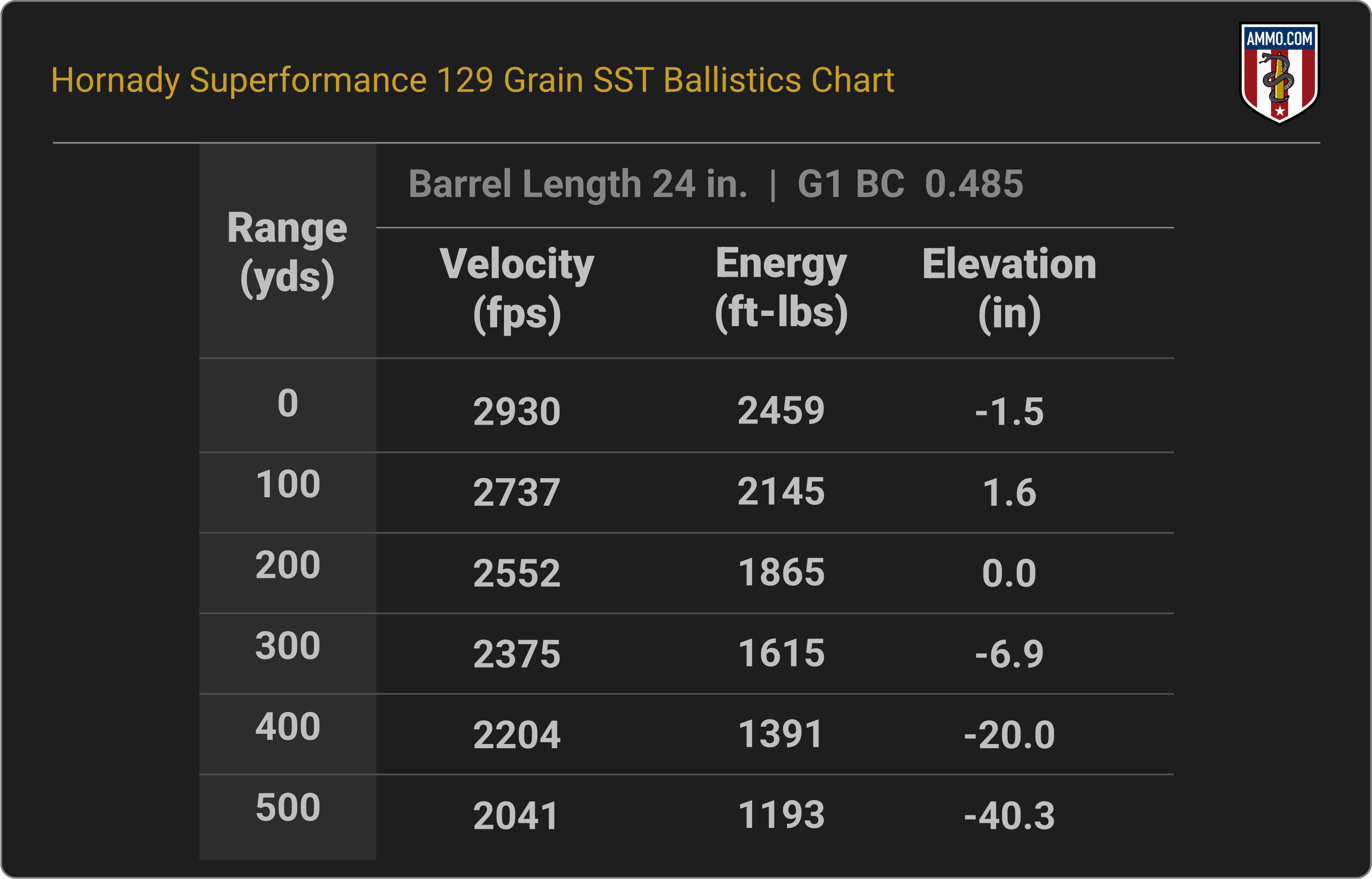
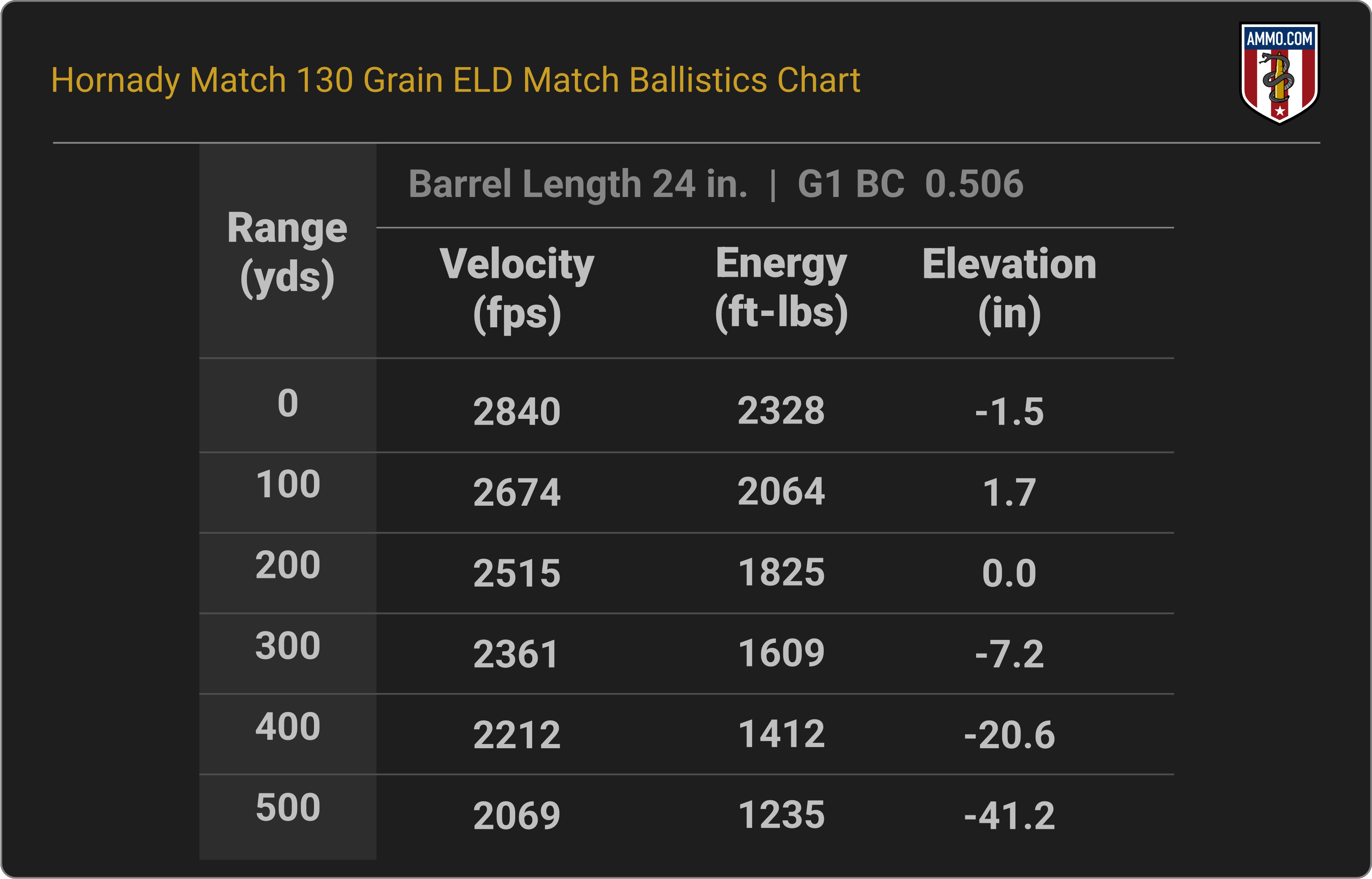
I was thinking about this cartridge a couple of days ago after I read the 6.5 Grendel vs 5.56 AR article.
Specifically, my thoughts were that I would choose 5.56 for the AR, and if I needed the long range capability of a 6.5, .260 Remington in a bolt action would be a much better choice.
You’re right on both counts. The .260 and 6.5 Creedmoor are ballistically near-twins — same bullet diameter, similar case capacities, and the Creedmoor’s main edge is just that it got adopted by the factory-ammo market in a way the .260 never did.
The .260 Remington actually came first and has a slight case-capacity advantage, but the Creedmoor’s shorter action and SAAMI standardization won the commercial war. If you’re handloading, the .260 can do everything the Creedmoor does.
If you want to walk into a store and buy match ammo off the shelf, the Creedmoor is the easier path. For a bolt gun where you’re not chasing a specific barrel length or action constraint, the Creedmoor’s factory support is hard to argue with.
The .260 makes more sense if you already have the brass and dies.
True. But if I built one, it would be a .260 and all my brass would say “.243 Winchester.” .243 brass is very easy to find for free, around deer season. Cheap if you have to buy it. And while you can make Creedmoor brass from .243, it’s a lot more involved. All aspects of a .260 Remington case are identical to .243 (and .308 too) except caliber, so all you have to do to .243 brass is neck it up.
I’m quite sure that, like .35 Whelen, I would never even own a factory loaded round. YMMV.
ETA: I probably won’t be building one anyway since I already have a 6.5x55 and lots of brass for it.